
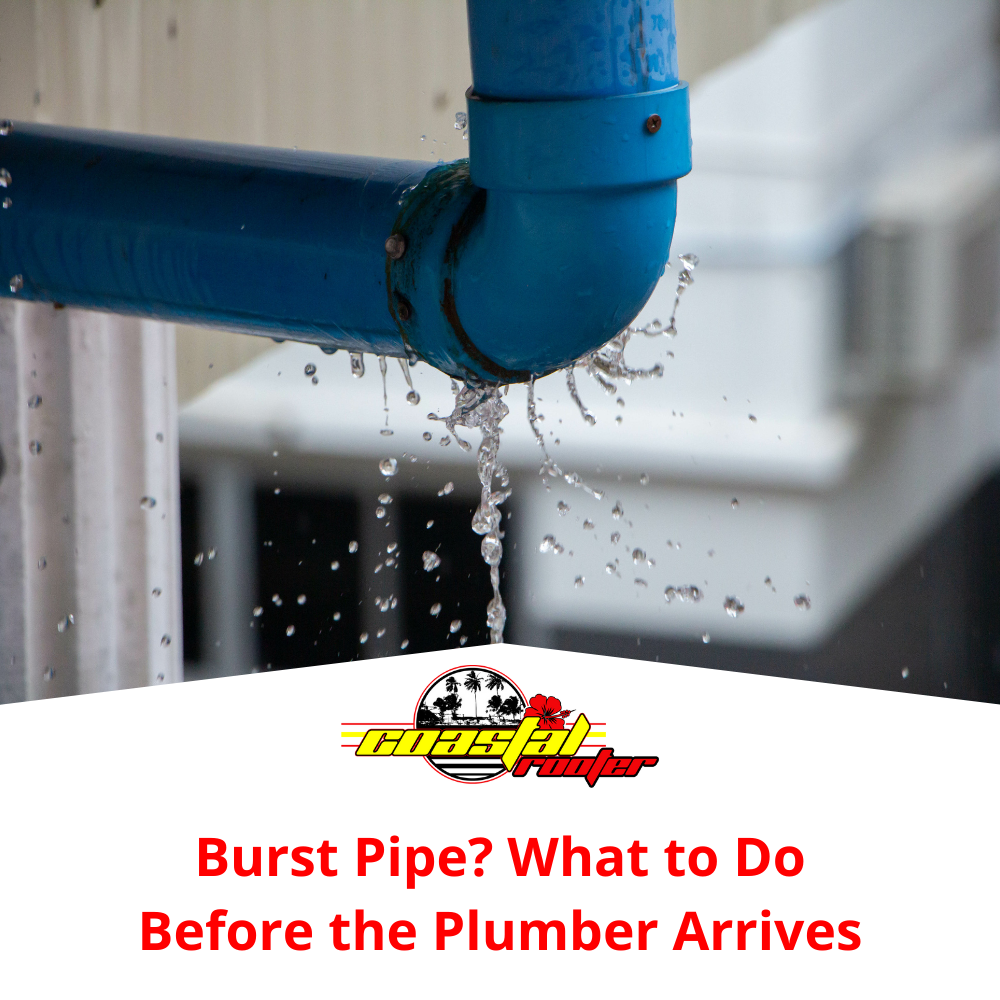
Burst Pipe? What to Do Before the Plumber Arrives
Rated 5 stars by Chula Vista neighbors
A burst pipe is one of the most stressful plumbing emergencies a homeowner can face. One minute everything is fine. The next, water is pouring into your home, soaking floors, walls, and belongings. Your heart rate spikes, and the first thought is usually the same: How do I stop this before it gets worse?
The good news is this: what you do in the first few minutes matters more than you think. Taking the right steps before the plumber arrives can dramatically reduce damage, cleanup costs, and repair time.
Here’s exactly what to do if a pipe bursts in your home.
Step 1: Shut Off the Water Immediately
This is the most important step. If water is still flowing, damage is still happening.
Locate your main water shut-off valve and turn it off right away. In most homes, it’s near the water meter, in the garage, outside near the foundation, or in a utility area. Turn the valve clockwise until it stops.
If the burst pipe is connected to a specific fixture—like a toilet, sink, or washing machine—you may be able to shut off the local valve instead. But if you’re unsure, shut off the main supply. It’s always safer.
If you don’t know where your shut-off valve is, this emergency will teach you why it’s critical to find it now.
Step 2: Turn Off the Water Heater
After shutting off the water, turn off your water heater. This prevents pressure buildup and protects the unit from damage.
For electric water heaters, switch off the breaker. For gas units, turn the control to the “off” position. This step is especially important if hot water pipes are involved in the burst.
Step 3: Relieve Pressure in the System
Open all faucets in your home—both hot and cold—to drain remaining water from the pipes. Start with the lowest fixtures first, like outdoor spigots or basement sinks, then work upward.
This reduces pressure in the system and helps minimize continued leaking from the damaged pipe.
Step 4: Contain the Water
Now focus on limiting the spread of water.
Use towels, buckets, or pans to catch dripping water. If possible, place a container directly under the burst section. A wet/dry vacuum can be extremely helpful for removing standing water quickly.
Move furniture, electronics, rugs, and valuables out of the affected area. Water damage spreads fast, and the quicker you act, the more you save.
If water is near electrical outlets or appliances, do not touch them. If it’s safe to do so, turn off electricity to the affected area at the breaker panel.
Step 5: Apply a Temporary Patch (If Safe)
This is optional and only meant to reduce active leaking—not fix the problem.
If the pipe is accessible and you can safely reach it, you can temporarily wrap the damaged section with a thick cloth, rubber patch, or plumber’s tape. Even duct tape can slow the flow enough to limit damage.
Do not attempt major repairs or cut into pipes. Temporary containment is enough until a licensed plumber arrives.
Step 6: Avoid DIY Fixes That Can Make Things Worse
In the middle of a plumbing emergency, it’s tempting to take drastic action. This is where many homeowners make costly mistakes.
Avoid using sealants, chemical products, or attempting pipe replacements on your own. Improper fixes often fail under pressure and can lead to bigger breaks, flooding, or code violations.
Your goal is damage control, not permanent repair.
Common Causes of Burst Pipes
Understanding why pipes burst helps prevent it from happening again. The most common causes include:
- Aging or corroded pipes
- High water pressure
- Temperature fluctuations
- Poor installation or weak joints
- Undetected leaks that worsen over time
In older homes, pipes may simply reach the end of their lifespan. In others, a small leak slowly weakens the pipe until it fails suddenly.
Why Speed Matters
The longer water flows unchecked, the more damage occurs. Water seeps into drywall, flooring, insulation, and framing. This can lead to mold growth, structural damage, and expensive restoration work.
Many burst pipe disasters could have been half as costly if water was shut off within the first few minutes. Fast action protects your home—and your wallet.
How Coastal Rooter Handles Burst Pipes
When a pipe bursts, you need a plumber who responds fast and knows exactly what to do.
At Coastal Rooter, we handle emergency burst pipe repairs throughout Chula Vista and San Diego. We arrive prepared to locate the failure, stop the leak permanently, and repair or replace the damaged section properly.
If the pipe failure is part of a larger issue—like aging plumbing or high pressure—we identify that too. Our goal isn’t just to stop today’s leak, but to prevent the next one.
We also inspect for hidden damage and recommend next steps to protect your plumbing system long-term.
What to Do After the Repair
Once the immediate emergency is handled, it’s important to consider preventative steps. This may include pipe replacement, pressure regulation, or a full plumbing inspection—especially if your home has older pipes.
Burst pipes are rarely random. They’re usually warnings that something needs attention.
Get the Help You Need—Fast
If a pipe has burst in your home, every second counts. Shut off the water, protect your property, and call Coastal Rooter immediately.
We provide fast, professional emergency plumbing services in Chula Vista and San Diego, with experienced plumbers who know how to stop damage and restore your plumbing safely.
A burst pipe is stressful—but with the right steps and the right plumber, it doesn’t have to turn into a disaster.
Request a plumbing technician
Tell us what’s going on and we’ll get right back to you. Need help now? Call and a real plumber answers 24/7.