
My Drain Is Completely Blocked What Should I Do
Coastal Rooter helps San Diego homeowners clear stubborn drain problems quickly and safely. When a pipe stops draining completely, the right steps can prevent damage and restore flow fast.
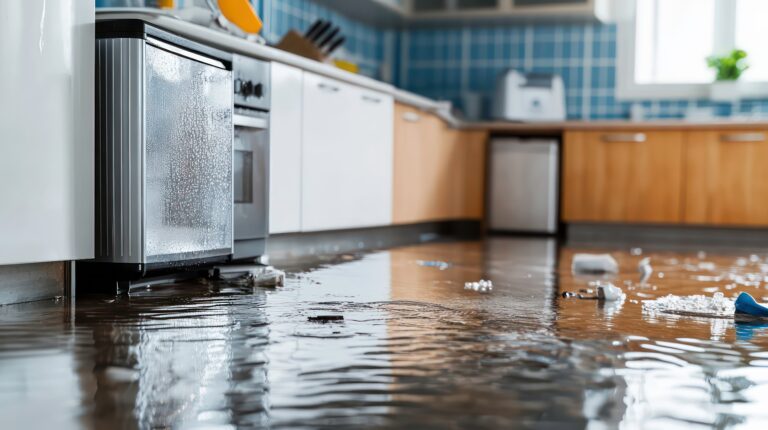
A sink, shower, or floor drain that suddenly stops draining can disrupt your entire day. A blocked drain often starts as a slow drain and gradually gets worse until water can no longer pass through the pipe. When this happens, acting quickly is important to prevent backups, odors, and possible water damage.
This guide explains what to do when your drain is completely blocked, what causes it, and when it’s time to call a professional plumber.
Signs Your Drain Is Fully Blocked
A drain rarely becomes completely blocked without warning. In most cases, homeowners notice smaller signs first.
Common symptoms include:
- Water sitting in the sink or tub without draining
- Gurgling sounds coming from pipes
- Foul smells near drains
- Water backing up in nearby fixtures
- Slow draining that suddenly stops completely
For example, flushing a toilet might cause water to rise in a shower or bathtub. That usually means the blockage is deeper in the plumbing system.
When these signs appear, it’s important to act quickly before pressure builds up inside the pipes.
First Steps to Take When a Drain Stops Working
If your drain is completely blocked, start with a few simple checks before attempting more advanced solutions.
1. Stop using the fixture
Running water into a blocked drain can cause overflow or backups.
2. Check nearby drains
If multiple drains are affected, the problem may be in the main sewer line rather than a single pipe.
3. Try a plunger
A sink or toilet plunger can sometimes loosen minor blockages close to the surface.
4. Remove visible debris
Hair, soap residue, and food scraps often collect near the top of the drain.
If the blockage remains after these steps, the clog may be deeper inside the plumbing system.
Common Causes of a Blocked Drain
Understanding what causes a blocked drain helps prevent it from happening again.
Some of the most common culprits include:
Hair and Soap Buildup
Bathroom drains frequently clog due to hair mixed with soap residue. Over time, this combination forms a thick blockage inside the pipe.
Grease and Food Waste
Kitchen sinks are vulnerable to grease buildup. Oil and fat may look liquid when hot, but they solidify as they cool inside pipes.
Foreign Objects
Items like wipes, paper towels, cotton swabs, and hygiene products should never go down a drain. Even products labeled “flushable” can cause serious blockages.
Mineral Buildup
San Diego’s hard water can leave mineral deposits inside pipes, gradually reducing the diameter of the pipe and slowing drainage.
Why Chemical Drain Cleaners Are Risky
Many homeowners reach for chemical drain cleaners when facing a clog. While they may appear to work quickly, they often cause more harm than good.
Chemical cleaners can:
- Damage older pipes
- Corrode metal plumbing
- Create hazardous fumes
- Only partially remove the clog
In many cases, these products burn through a small hole in the blockage while leaving most of the buildup behind.
Professional drain cleaning methods are safer and far more effective.
You can learn more about safe solutions through drain cleaning services provided by licensed plumbers.
Professional Tools That Clear Tough Blockages
When household tools fail, plumbers use specialized equipment designed to remove deep clogs.
Drain Snaking
A motorized drain snake breaks apart stubborn debris deep inside the pipe.
Hydro Jetting
Hydro jetting uses high-pressure water to clean the entire inside of a pipe, removing grease, sludge, and buildup.
Sewer Camera Inspections
If the problem keeps coming back, plumbers may inspect the pipe with a camera to locate the exact cause.
A sewer camera inspection helps identify tree roots, broken pipes, or collapsed lines that might be causing repeated clogs.
When a Blocked Drain Means a Bigger Problem
Sometimes a single blocked drain is part of a larger plumbing issue.
Warning signs of a deeper problem include:
- Multiple drains backing up at once
- Sewage smells inside the home
- Water backing up in floor drains
- Recurring clogs in the same pipe
These symptoms often indicate a problem in the main sewer line.
In these cases, a professional plumbing inspection can identify the root cause before serious damage occurs.
What San Diego Homeowners Should Know
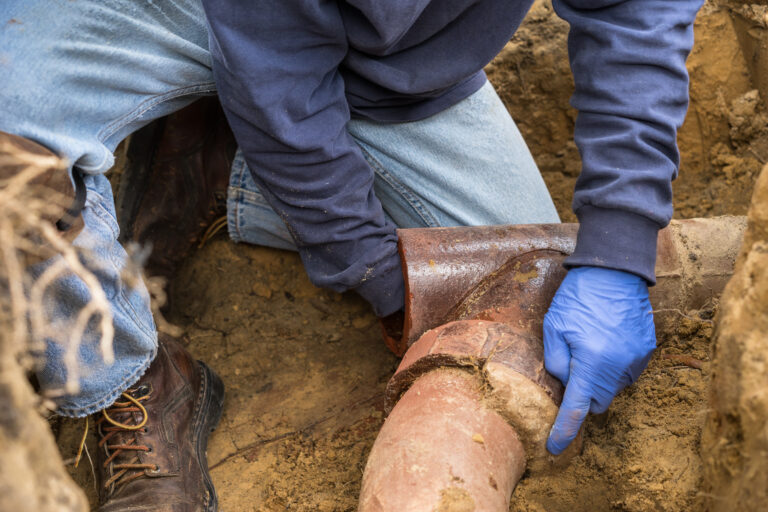
Homes throughout San Diego face unique plumbing challenges. Older neighborhoods often have aging sewer lines made from clay or cast iron. These materials can crack or collapse over time.
Tree roots are another common cause of blocked drains in the area. Roots seek moisture and can grow directly into small pipe cracks.
Coastal Rooter helps homeowners across San Diego detect and fix these issues quickly. Their technicians use modern tools to clear clogs and restore normal drainage without unnecessary digging.
“Our kitchen sink completely stopped draining overnight. Coastal Rooter found a deep grease clog and cleared it the same day. Everything works perfectly now.” — San Diego homeowner
Regular maintenance can prevent many of these problems before they start.
Tips to Prevent Future Drain Blockages
Keeping your drains clear often comes down to a few simple habits:
- Avoid pouring grease or oil down the sink
- Use drain screens to catch hair and food scraps
- Flush drains with hot water weekly
- Never flush wipes or hygiene products
- Schedule periodic drain inspections
The EPA WaterSense program also offers helpful tips on protecting household plumbing and conserving water.
Preventative care is always easier than dealing with a major blockage.
When You Need Help With a Blocked Drain
When you need professional help with a blocked drain, call 619-383-2210 for fast service. Coastal Rooter identifies the cause, clears the blockage, and helps prevent future problems so your plumbing system runs smoothly again.