Slow Drains? What It Means and How to Clear Them
Coastal Rooter helps San Diego homeowners solve slow drains before they turn into major plumbing problems. Their licensed technicians explain what causes slow drainage and how to fix it fast and safely.
Slow drains are one of the most common plumbing issues in San Diego homes. A sink or shower that takes too long to empty isn’t just annoying—it can also be a sign of buildup, blockage, or even damage deeper in the pipes.
Understanding what’s behind a slow drain helps homeowners fix it the right way—and avoid more serious issues like backups or pipe damage.
What causes slow drains in your home?
Several things can slow down your drains. In kitchens, grease, soap, and food waste are common culprits. In bathrooms, hair, soap scum, and toothpaste often build up over time.
Common causes include:
- Grease and oil solidifying in the pipes
- Hair clogs in shower and tub drains
- Mineral buildup from hard water
- Food scraps or coffee grounds in kitchen sinks
- Flushed wipes or hygiene products
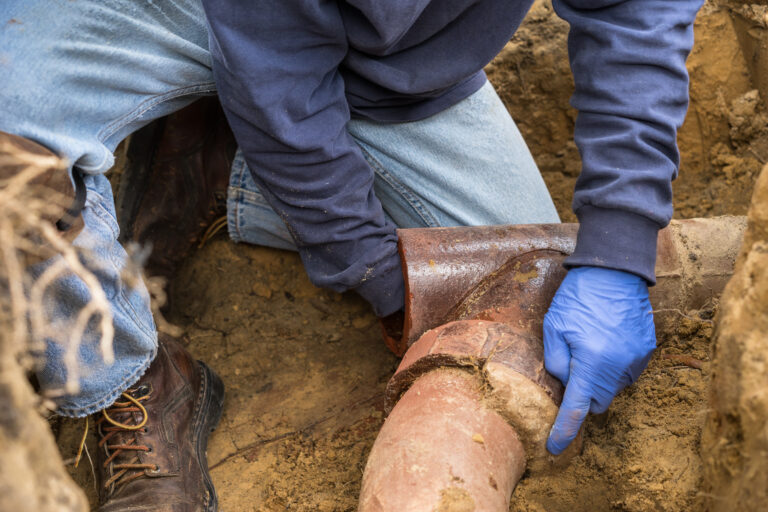
Tree roots can also affect underground drain or sewer lines, especially in older San Diego neighborhoods. These roots find their way into small cracks and expand inside the pipe, slowing the flow or causing a full blockage. Learn more about our sewer line services.
Why you shouldn’t ignore slow drains
A slow drain may seem like a small inconvenience, but it’s usually a warning sign. Ignoring it can lead to:
- Complete blockages that stop water flow entirely
- Foul odors from trapped debris
- Leaks caused by pressure buildup
- Sewage backup in severe cases
Over time, buildup inside pipes hardens and becomes more difficult to remove. Acting early often means an easier and cheaper fix.
How to fix slow drains safely
Some clogs can be handled with basic tools and patience. For mild slow drains, try the following steps:
- Boiling water: Pour a kettle of hot water down the drain to melt grease and loosen debris.
- Baking soda and vinegar: Use a half cup of baking soda followed by a cup of vinegar. Let it fizz, then flush with hot water.
- Plunger: Create a seal and pump firmly to dislodge minor clogs.
- Drain snake: A handheld auger can reach hair or sludge within a few feet of the drain.
Avoid using chemical drain cleaners. These products can corrode pipes, especially in older homes, and are often only a short-term fix.
If these methods don’t help, it’s time to call a professional. Check out our drain cleaning service to schedule help fast.
Professional solutions for persistent slow drains
Licensed plumbers have tools and techniques to clear tough or hidden clogs. These include:
- Motorized drain snakes: Reach deep into pipes to break up compacted debris or roots.
- Hydro jetting: Uses high-pressure water to scour the inside of pipes and restore full flow.
- Sewer camera inspection: Identifies damage or blockages inside the drain line.
These professional tools are especially useful for older homes or recurring problems. Hydro jetting, in particular, can extend the life of your drain system by fully cleaning out residue that builds up over years.
What San Diego homeowners should know
In San Diego, hard water and drought habits can make slow drains more common. People often flush or rinse more to make up for limited flow, which adds extra strain on pipes.
Coastal Rooter understands the specific needs of local homes—from historic houses in North Park to newer builds in Chula Vista. Their team helps homeowners:
- Diagnose drain problems quickly
- Choose the right solution for their system
- Prevent future blockages with simple maintenance tips
“We tried everything to fix our slow kitchen drain. Coastal Rooter found a grease clog way down the line and cleared it the same day. Now everything drains fast again.” — Homeowner in Chula Vista
Coastal Rooter is licensed, bonded, and backed by years of experience in the San Diego area. They use clean, safe methods and explain the process in plain language. Explore all our plumbing services.
Tips to prevent future slow drains
Once your drains are clear, a few simple habits can help keep them that way:
- Use sink strainers to catch food and hair
- Never pour grease or oil down the drain
- Rinse drains with hot water weekly
- Avoid flushing wipes, even those labeled flushable
- Schedule yearly drain maintenance if clogs are common
Homeowners who follow these tips usually avoid repeat issues. For those with frequent slow drains, ask about our sewer camera inspections to see what’s going on inside your pipes.
For more information on how to keep your plumbing working efficiently, check out the EPA’s Household Plumbing Guide for water-smart tips.
When you need help with slow drains
Get the help you need—book a visit at 619-383-2210. If your sink, tub, or shower is draining slowly, don’t wait for a full clog. Coastal Rooter can fix the problem quickly and keep your pipes flowing freely.